Home / Blog / ORS for Dehydration: Benefits, Correct Dosage, and Side Effects You Should Know
Dehydration occurs when the body loses too much water due to sickness, being in hot weather for too long, or not drinking enough fluids. If left unmanaged, it can cause serious health problems.
ORS for dehydration is a scientifically formulated solution designed to effectively restore lost electrolytes and fluids.
This blog will explore oral rehydration, its benefits, proper usage, and potential side effects.
Oral rehydration is the act of drinking a special ORS drink to replace body fluids lost during dehydration. ORS, or Oral Rehydration Solution, is a blend of water, glucose, and essential electrolytes such as sodium and potassium.
This solution is highly effective in replenishing lost fluids and preventing dehydration-related complications.

ORS for dehydration is beneficial for individuals of all ages, but it is particularly recommended for:
ORS drink has glucose that helps in the intake of sodium and water by the intestines to guarantee fast and efficient rehydration when there is a loss of fluids, together with some important electrolytes that are necessary for keeping the body hydrated.
This method of hydration is both secure and supported by the World Health Organisation (WHO) and the United Nations Children’s Fund (UNICEF).
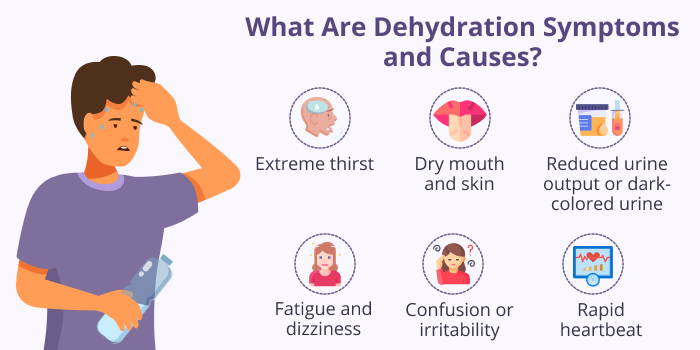
Dehydration can happen for many reasons, including too much sweating, vomiting, diarrhoea, fever, and inadequate water intake.
Common dehydration symptoms include:
Failure to treat dehydration early can cause serious dehydration effects such as heat stroke, renal failure, and hypotension.
For cases of extreme dehydration, one must see a doctor for proper care and support. HCG Hospitals is a leading multispeciality hospital in India with an expert team that offers holistic care to dehydration patients.
Read More About Dehydration Here: Understanding Dehydration: Signs, Symptoms, and Prevention Tips | HCG Hospitals
ORS is a lifesaving solution for managing dehydration. Some of its key benefits include:
ORS drink is extremely helpful for rehydration. However, there are other options too:
ORS is the most suitable solution for mild to moderate dehydration because it contains both water and minerals in the right proportions.
While ORS for dehydration is generally safe, there are some potential side effects to consider:
Precautions to keep in mind include:
ORS for dehydration is crucial for preventing and managing dehydration-related health risks. With its scientifically proven formula, ORS effectively restores lost fluids and electrolytes, making it an essential solution for individuals at risk of dehydration. Understanding dehydration symptoms and seeking timely medical care is necessary. HCG Hospitals is a leading multispeciality hospital in india with experienced physicians who can treat dehydration effectively and prevent its severe complications. Always keep ORS handy, especially during hot weather, illness, or intense physical activity, to stay hydrated and healthy.
Infants should be given 50 to 100 mL of Oral Rehydration Solution (ORS) per kilogram of body weight during the first four to six hours of dehydration. Children receive the same dosage, but it’s crucial to start with small sips frequently.
Parents must always follow the pediatrician’s advice, especially if the child is very dehydrated or displaying severe symptoms.
Depending on the severity of their condition, dehydrated adults should take ORS. Usually, 2-4 liters of ORS over 24 hours are recommended. When taken slowly and in tiny doses, it maintains electrolyte balance and provides vital hydration.
In case of severe dehydration, patients should seek immediate medical attention, as it helps identify the underlying cause and receive appropriate treatment.
By delivering targeted glucose and electrolytes, ORS enables quicker intestinal absorption than plain water. This helps you stay more hydrated, especially if you’re vomiting or have diarrhea.
ORS is the suggested treatment for lowering the symptoms of dehydration and hastening healing because, although drinking water is important, it may not be sufficient to replenish lost electrolytes.
Sodium, potassium, chloride, and citrate are the different electrolytes present in ORS, along with glucose. These electrolytes help restore the body fluids and prevent imbalances that may lead to various body complications.
Citrate: Corrects metabolic acidosis, which can occur due to diarrhea
The following are a few things to look for while purchasing ORS products:
ORS products help prevent complications such as kidney failure and shock by restoring body fluids and electrolyte balance. Rapid rehydration through ORS stabilises blood pressure and kidney functions and reduces the risk of acute kidney failure and hypovolemic shock.
In case of severe dehydration, ORS plays a critical role in reducing the risk of cellular damage and widespread complications (seen in multiple organ systems in the body) and supporting overall recovery and well-being.






 Neurosurgery
  Cardiology
 Neurology
 Orthopaedic And Joint Replacement Surgery
 Spine Surgery
 Urology
  Oncology
 Pulmonology
  Dietician
  psychiatry
 Nephrology
 ENT
ENT Gastroenterology
  Dentistry
  Radiology
 Critical Care