Home / Blog / Early Signs of Prediabetes You Shouldn’t Ignore
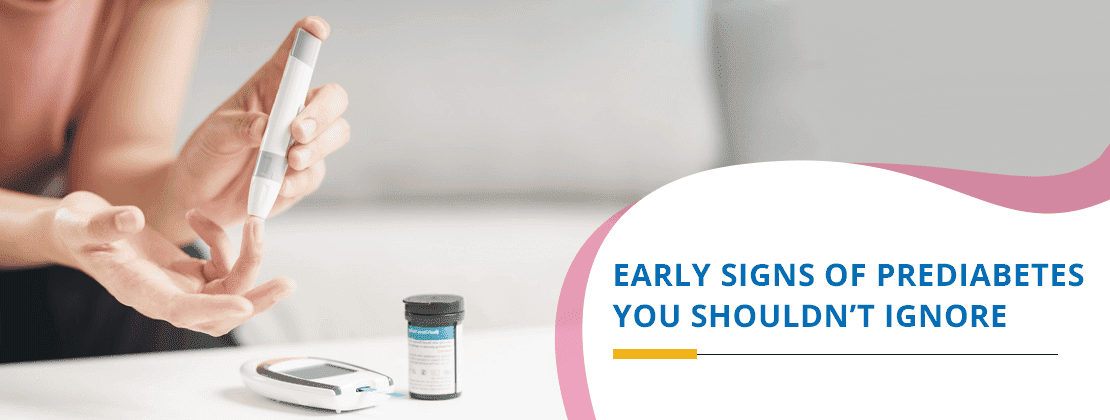
Millions of individuals globally suffer from prediabetes, a dangerous and unnoticeable illness. It happens when your blood glucose is elevated compared to the standard range. However, it hasn’t reached the stage of being identified as non-insulin-dependent diabetes mellitus or type 2 diabetes.
Recognising the early signs of prediabetes can help prevent or delay the progression to type 2 diabetes. Whether you’re looking for information for yourself or a loved one, knowing these symptoms—and responding to them promptly—can make all the difference.
If you are experiencing signs of prediabetes, consider visiting HCG Hospitals, a leading multispeciality hospital in India for comprehensive diabetic care.
A study from 2021 has estimated that India had 101 million people with diabetes and 136 million people with prediabetes.
The prevalence of prediabetes was slightly higher in urban areas, which stood at 15.4%, than in rural areas, which stood at 15.2%.
Early identification and treatment are essential in India, where there is a high prevalence of diabetes, one of the highest in the world.
Prediabetes is a condition that may not show symptoms. Therefore, it is often referred to as a “silent” disease.
Nevertheless, there exist some initial signs or symptoms that one should never overlook. Here are some of the most common indicators:
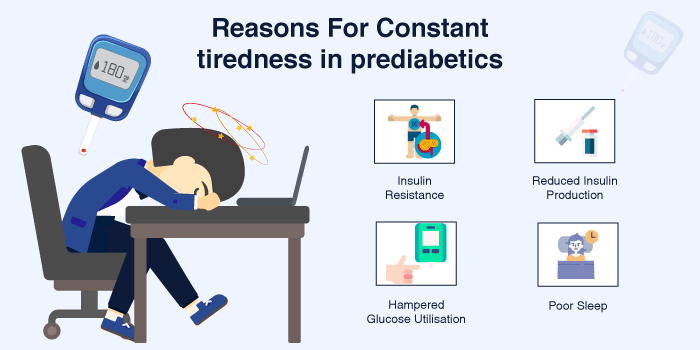
Feeling tired all the time for no valid reason may indicate a problem with sugar levels in the body.
Constant tiredness in prediabetics can occur for the following reasons:
Those who have prediabetes might have constant fatigue that impairs their ability to focus, productivity, and overall quality of life.
Example: You’ve had your coffee, got 8 hours of sleep, but still feel drained by midday—this persistent fatigue could be more than just stress.
High blood sugar levels can cause the lens to swell, causing distorted vision. This condition can also cause damage to blood vessels in the eyes, which leads to fluid leakage, tissue detachment, and new blood vessel growth, all of which can cause the vision to become blurry.
A blurry vision that is intermittent and affects either one or both eyes could indicate prediabetes and an increased risk of diabetes.
Example: If you notice difficulty reading your phone screen or street signs, and your vision improves and worsens frequently, it’s worth getting your blood sugar checked.
When blood sugar is high, wounds take longer to heal, and there is a risk of infection. This includes slow healing of minor cuts and bruises as well as increased infections, such as those related to skin, gums, or the urinary tract.
Example: A minor kitchen cut that takes weeks to heal or recurrent yeast infections might be your body’s way of alerting you to elevated glucose levels.
Acanthosis nigricans is a skin disorder that causes thick, dark patches of skin to form in the folds and creases of the body, especially in the neck, armpits, elbows, and knees. It is frequently linked to insulin resistance, which is one of the main signs of prediabetes.
Example: If you notice these patches developing and they don’t lighten with exfoliation or creams, it could indicate insulin sensitivity problems.

One of the body’s natural reactions to high blood sugar is to flush it out through urine. This leads to increased urination, which in turn causes dehydration and excessive thirst. These symptoms often go hand in hand.
Example: If you find yourself waking up multiple times during the night to urinate or constantly needing water, these could be early signs of prediabetes.
Insulin resistance hampers glucose utilisation for energy and promotes lipogenesis. As a result, affected individuals often experience weight problems, which may manifest as abdominal obesity or failure of weight loss strategies even with dietary control as well as physical exercise.
Example: Despite following a balanced diet and being physically active, you’re still gaining weight or unable to shed extra pounds.
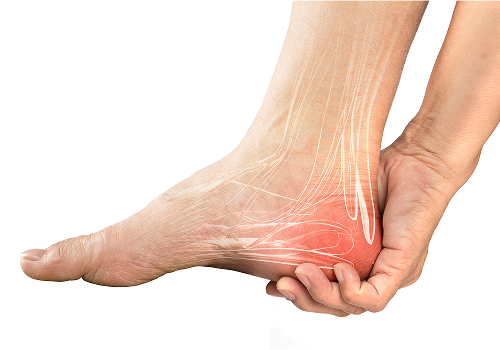
Nerve damage, which is common in diabetic patients, may start before diabetes. Prickling, insensitivity, or a burning feeling in hands and feet could mean that there is some neuropathy due to elevated hyperglycemia.
Example: You wake up with numb fingers or feel a tingling sensation in your feet after sitting—this shouldn’t be brushed off.
If your body cannot use insulin well, you will always feel hungry even after meals and want to eat sweet or starchy food.
Example: You had a full meal, but you’re reaching for a cookie an hour later—this could be linked to fluctuating blood glucose levels.
If you’re experiencing any combination of these symptoms, it’s crucial to act early. Here’s how:
Prediabetes is a wake-up call, not a life sentence. If you see fatigue, unclear sight, or some dark spots on the skin, you should understand that it’s high time for you to do something and prevent the occurrence of diabetes. By paying attention to these symptoms and taking proactive steps, like visiting a nearby hospital for a diagnosis, you can safeguard your health.
Not many pay attention to the early warning signs of prediabetes, and this will eventually lead to diabetes. The following are the early signs of prediabetes:
If you notice these symptoms, take a quick blood test to check your blood sugar levels and seek necessary medical interventions.
High blood sugar can damage small blood vessels and affect circulation. This slows down the body’s ability to fight infections and heal wounds.
People with prediabetes may experience slower healing times from minor wounds, bruises, or skin infections, which is a sign that blood sugar regulation needs to be addressed.
Women may experience specific changes, such as an increased risk of yeast or urinary tract infections, irregular menstrual cycles, difficulty losing weight, or increased fatigue, even though the symptoms are essentially the same.
Hormonal changes can also make it slightly harder for women to control their blood sugar levels, which is why early screening is especially important.
Dark, velvety patches are often found on the neck, armpits, or groin as a result of a skin condition known as Acanthosis nigricans.
It’s a clear sign of insulin resistance, a condition in which the body’s cells don’t respond well to insulin, and it is a major cause of prediabetes. Weight control, dietary changes, and consistent exercise can gradually reduce insulin resistance and improve the appearance of skin.
When your body cannot effectively use insulin, sugar stays in the blood instead of entering cells to be used as fuel. This can leave you feeling worn out even after eating a nutritious meal or getting enough sleep.
If you have severe fatigue and other symptoms like thirst or frequent urination, you must consider getting your blood sugar levels checked.
Yes, prediabetes can often be reversed. However, you need to act quickly.
Weight control, a healthy diet, and regular exercise are the best ways to reverse prediabetes. Sometimes, doctors will prescribe medications like metformin to help control blood sugar levels if lifestyle changes alone aren’t enough.
Yes. Insulin resistance increases hunger and sugar cravings by preventing cells from receiving enough glucose.
These cravings are the body’s attempt to get energy fast. Meals that are balanced with protein, fiber, and healthy fats can result in stable blood sugar levels and a reduction in cravings.






 Cardiac Sciences
 Spine Surgery
 Orthopaedic & Joint Replacement Surgery
 Neurosciences
 Critical Care Medicine
 Internal Medicine
 Oncology
 Pulmonology
  Dietician
  psychiatry
 Nephrology
 ENT
ENT Gastroenterology
  Dentistry
  Radiology