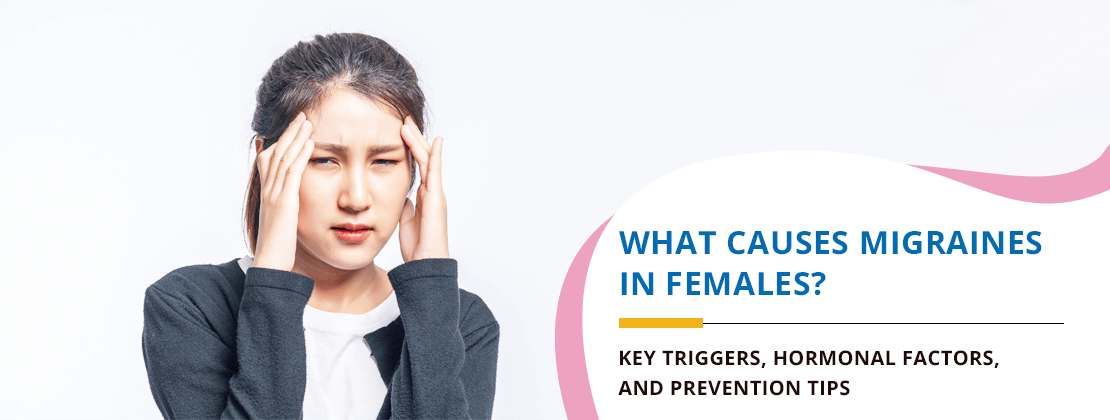
What Causes Migraines in Females? Key Triggers, Hormonal Factors, and Prevention Tips

Home / Blog / What Causes Migraines in Females? Key Triggers, Hormonal Factors, and Prevention Tips


What Causes Migraines in Females? Key Triggers, Hormonal Factors, and Prevention Tips

Introduction to Migraines in Females

Migraine is a debilitating neurological condition that affects millions of women worldwide. In comparison to men, women experience migraines three times more often because of their biological and hormonal features. Migraine refers to a severe pulsating headache that is usually followed by vomiting, visual problems, and discomfort due to bright light or loud noise. For better quality of life, it is important to know the causes of migraines in women as well as appropriate prevention strategies for them.
Key Triggers of Migraines in Females

Key Triggers of Migraines in Females


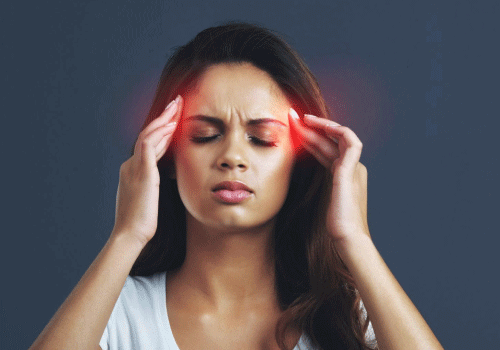
Various factors, including hormone changes and lifestyle choices, can trigger migraine episodes in women. Common examples of migraine triggers in women include hormonal changes, inherited factors, stress, food, and surroundings. 

It is possible to control and avoid attacks of migraine by recognising such triggers or risk factors and adopting necessary prevention strategies.
What Causes Migraines in Females?

Hormonal Factors Influencing Migraines

Hormonal Factors Influencing Migraines


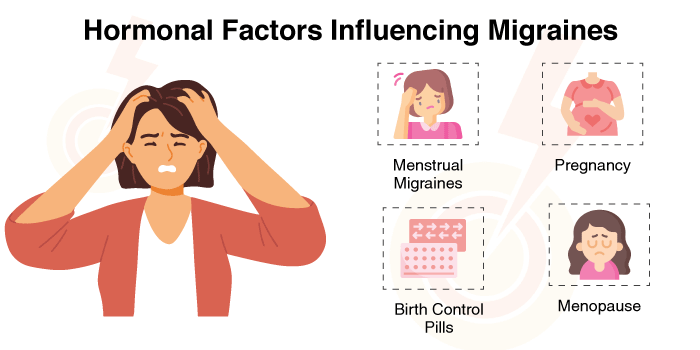
The reason why women get migraines more often than men is because of the hormonal changes they experience. There is a strong link between migraine and oestrogen, which is a principal hormone in women. A change, especially a quick reduction in the level of oestrogen, can lead to a migraine attack.

Some specific hormonal influences include:

  • Menstrual Migraines: The reason behind migraines in most women is that the level of oestrogen decreases either before or during menstruation.
  • Pregnancy: Some women get better from migraine, but others may have an aggravation, particularly in the first three months of pregnancy.
  • Birth Control Pills: The use of hormonal contraceptives may either control or induce migraines among females according to their levels of oestrogen.
  • Menopause: A lot of females undergoing menopause claim to have higher migraines owing to changing oestrogen levels, while others may experience relief post-menopause.

Genetics and Family History

Genetics and Family History


Migraine is also partly genetic. Research shows that having a parent or brother/sister with migraines makes one highly susceptible to the condition. This means that some genes may be responsible for determining how an individual feels pain as well as what kind of stimulants can cause headaches for him or her.

Prevention Tips for Migraines in Females

Although migraines can be challenging to manage, several preventive measures can help reduce their frequency and severity:
  • Keep a Regular Sleep Pattern: Failure to get enough sleep or sleeping at odd times may start a migraine. Try to sleep for 7-9 hours every night and make sure it is good sleep.
  • Handle Stress Well: Migraine is mostly caused by stress. Consider practicing relaxation methods like meditation, yoga, breathing exercises, etc.
  • Take Enough Water: Migraine can occur due to dehydration. Taking at least eight glasses of water per day may prevent attacks.
  • Eat a Healthy Diet: Do not eat foods that are known to increase the risk of migraines, e.g., processed meat, caffeine, alcohol, and artificial sweeteners. Consume whole foods, fruits, and vegetables.
  • Exercise Regularly: Migraines can occur less often if one engages in mild exercises like walking, swimming, or yoga.
  • Reduce Exposure: Watching too much TV/computer light, especially blue light, may harm your eyes and cause migraines.
  • Monitor Migraine Causes: A diary for recording migraines may reveal what brings them on and so can help in identifying the triggers and thereby reducing the frequency of migraine episodes.
  • Consult a Doctor: If the migraine episodes are frequent and intense, it is advisable to see a doctor who may recommend effective migraine treatment options.

Lifestyle Factors Contributing to Migraines

Lifestyle Factors Contributing to Migraines


Several lifestyle habits and environmental factors can also contribute to migraine in females. These include:

  • Dietary Triggers: Food and drinks like caffeine, alcohol, junk food, and artificial sweeteners may cause migraines in a few females.
  • Irregular Sleep Patterns: Sleeping too little or too much can bring on a migraine.
  • Dehydration: Not drinking enough water may result in a headache or migraine.
  • Excessive Screen Time: Spending many hours using electronic devices may cause eye fatigue as well as trigger migraines.
  • Variations in the Weather: Abrupt changes in weather, such as very high moisture, intense sunshine, or rainstorms, can act as triggers.
  • Pungent Smells and Noise Pollution: For sensitive people, mists, cigar fumes, and other strong vapours or smells may cause migraines.
  • Stress and Anxiety: Chronic stress and anxiety are also identified as the main factors that can cause and worsen the occurrence of migraines.
  • In such cases, patients should be promptly taken to a doctor for a detailed evaluation.

Conclusion

Migraine in females is affected by hormones, genes, and lifestyle factors. One can reduce their migraine risks by learning the common causes and specific triggers, like changes in hormones, stress, and eating certain foods, as well as surrounding factors; this can help women manage their migraine more effectively. Women can make sure that migraines do not affect them much during their daily lives if they take precautions like staying healthy, dealing with tension, and recognising what specifically causes their migraines.

For persistent or severe migraines, seeking medical advice from a healthcare professional is essential. If you are struggling with migraines, consider consulting experts at HCG Hospitals for specialised migraine treatment and migraine remedies. Taking proactive steps today can help lead to a healthier, migraine-free future.

 

Frequently Asked Questions

What hormonal changes can trigger migraines in females?

Abrupt changes in estrogen levels are found to have a close association with migraine occurrence in women.

Hormonal changes seen before and during menstruation, during ovulation, after childbirth, and during perimenopause or menopause, along with hormonal changes that occur due to birth control pills or hormone therapy, can trigger migraine episodes in women.

What should women expect when experiencing migraines during pregnancy?

Because hormone levels are constant during pregnancy, many women report that their migraines get better, especially in the second and third trimesters. Some women may have migraine episodes throughout their pregnancy.

In such cases, women must pay attention to:

  • Being mindful of the pain medications they take
  • Considering safe management approaches like rest, hydration, cold compression, and trigger identification and prevention
  • Seeing a doctor if migraine episodes are severe and affect day-to-day activities

What are effective tips to prevent migraines in women?

Migraines can be less frequent and less intense with simple lifestyle changes: 

  • Adhere to a regular sleep pattern to prevent sleep deficiency or excessive sleeping.  
  • Don’t miss meals; eat on time. 
  • Keep yourself hydrated by consuming adequate liquids. 
  • Consider yoga, deep breathing, or mild exercise for effective stress management.
  • Limit your use of alcohol and caffeine. 
  • Engage in regular exercise since it lowers stress and preserves hormone balance.
  • Identify factors that trigger migraine episodes and try to manage those triggers to prevent frequent episodes.

How to differentiate migraine from other headaches?

Typically, migraines are more than just a typical headache. 

Common symptoms of migraine include pain that worsens when there is movement or intense light; throbbing pain, usually on one side; extreme sensitivity to light and sound; nausea and vomiting; vision problems; and more.

Sinus headaches result in congestion and pressure in the face, whereas tension headaches typically feel like a tight band around the head.

When to see a doctor for migraines in women?

Usually, migraines in women can be managed with home remedies, such as rest, hydration, and stress management. However, in some cases, women should see a doctor, especially if they experience the following signs and symptoms:

  • Sudden, intense, or ongoing headaches
  • Confusion, fever, vision loss, or weakness
  • Aura symptoms (changes in speech, vision, or weakness) for the first time

In such cases, doctors will recommend appropriate treatments, which may include trigger identification and management, medication, and more.

How does stress trigger migraine attacks in females?

When under stress, the body releases stress hormones, adrenaline and cortisol, which narrow blood vessels and change pain pathways. Chronic stress can cause a severe imbalance in these hormone levels, leading to migraine.

Stress can also lead to estrogen imbalance, which can increase migraine risk. 

Adopting stress-reduction strategies like mindfulness, breathing exercises, or relaxation therapy can help in preventing migraine attacks or reducing their frequency.

How can managing screen time reduce migraine risk?

Migraines may be triggered by eye strain, bad posture, and exposure to bright or flickering light, all of which are brought on by prolonged screen use. 

You can consider the following measures to reduce the risk of screen time-induced migraine:

  • Practice the 20-20-20 exercise, which involves you looking 20 feet away for 20 seconds every 20 minutes. 
  • Use anti-glare filters and lower the screen’s brightness. 
  • Maintain an erect posture and refrain from spending a lot of time looking down. 
  • Stay hydrated and consider regular eye checks. 
  • To promote sound sleep, avoid using electronics right before bed.

Author Bio

Dr. Parth Lalcheta

Consultant - Neurosurgery

MBBS, MS (General Surgery), MCh (Neurosurgery)

Dr. Parth Lalcheta is a highly skilled neurosurgery consultant with expertise in treating complex neurological conditions, including brain and spine disorders, stroke management, and neurotrauma. He can be consulted at HCG Hospitals, a leading super-speciality hospital in Rajkot. With a strong focus on precision and patient safety, he specializes in advanced techniques such as microsurgery and minimally invasive procedures. Dr. Lalcheta is known for his compassionate approach, combining technical expertise with personalized care to ensure the best outcomes for his patients. He actively participates in research and training, contributing to the growth of neurosurgical practices and staying updated on the latest advancements in his field. Dr. Lalcheta’s commitment to excellence makes him a trusted name in neurosurgery.

Appointment Link: Book an Appointment with Dr. Parth Lalcheta.

Dr. Parth Lalcheta

Consultant - Neurosurgery

MBBS, MS (General Surgery), MCh (Neurosurgery)

Dr. Parth Lalcheta is a highly skilled neurosurgery consultant with expertise in treating complex neurological conditions, including brain and spine disorders, stroke management, and neurotrauma. He can be consulted at HCG Hospitals, a leading super-speciality hospital in Rajkot. With a strong focus on precision and patient safety, he specializes in advanced techniques such as microsurgery and minimally invasive procedures. Dr. Lalcheta is known for his compassionate approach, combining technical expertise with personalized care to ensure the best outcomes for his patients. He actively participates in research and training, contributing to the growth of neurosurgical practices and staying updated on the latest advancements in his field. Dr. Lalcheta’s commitment to excellence makes him a trusted name in neurosurgery.

Appointment Link: Book an Appointment with Dr. Parth Lalcheta.

Book Appointment HCG

Request Callback